 Ancient Tech Files
Sabu disk: shape, context and an unresolved purpose
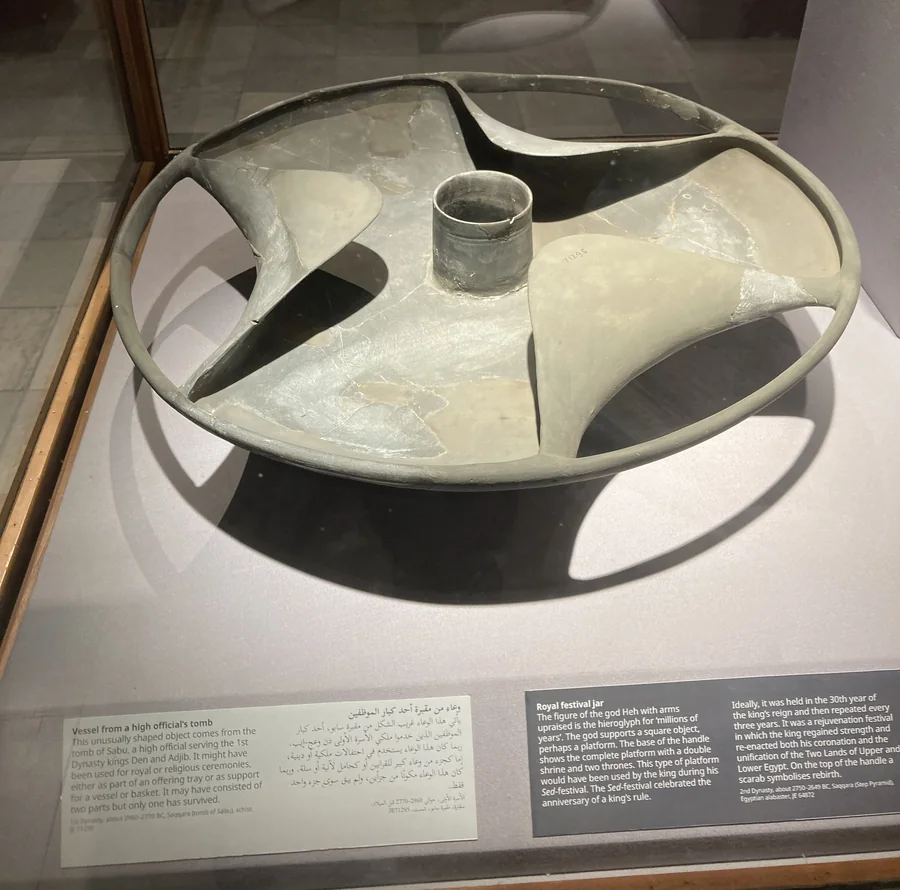
The 61 cm stone vessel is real. Its resemblance to a modern impeller is an analogy, while its original function remains uncertain.
Real artifacts, museum records and the difference between a visual resemblance and a demonstrated machine.
14 stories
Ancient Tech FilesThe 61 cm stone vessel is real. Its resemblance to a modern impeller is an analogy, while its original function remains uncertain.
 Ancient Tech Files
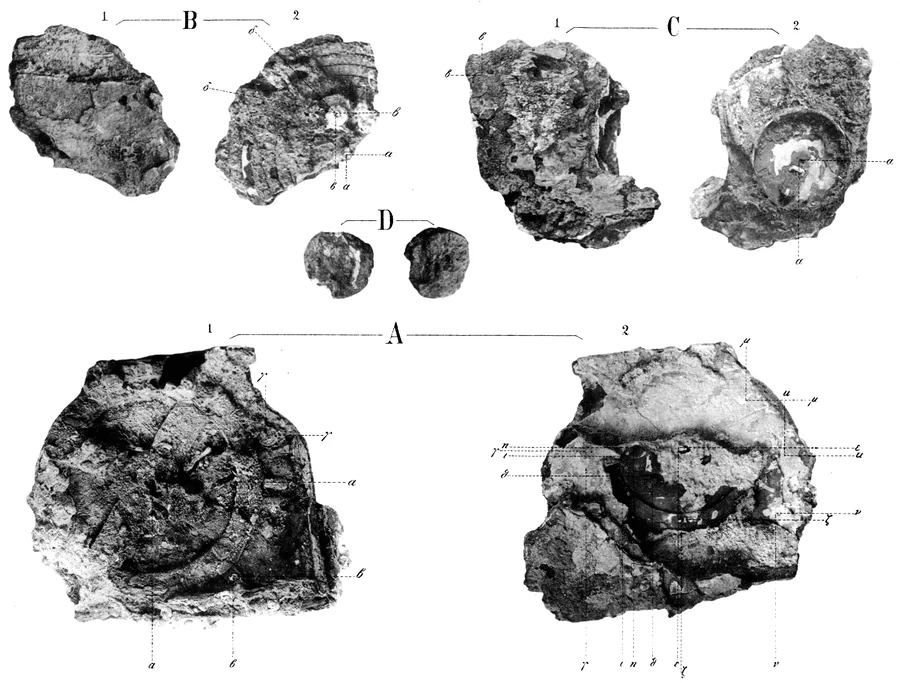
Bronze gears and astronomical inscriptions support a genuine calculating mechanism. Its surviving fragments leave parts of the original design uncertain.
 Ancient Tech Files
The forms resemble modern lamps to some viewers. The accompanying Egyptian texts identify a religious subject, giving the image a documented context.
 Ancient Tech Files
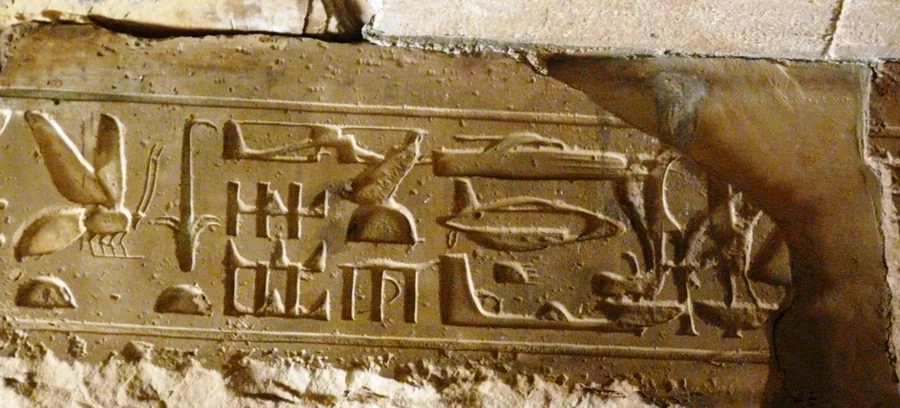
A detailed reading connects the famous shape to two royal inscriptions carved into the same surface, rather than an ancient aircraft illustration.
 Ancient Tech Files
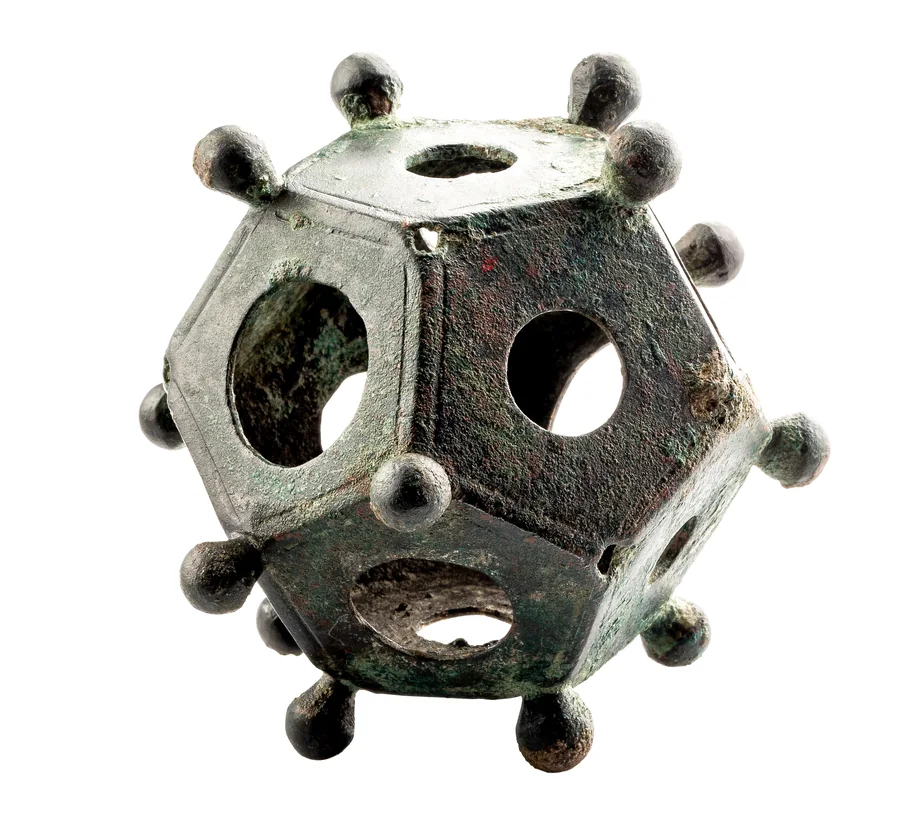
The bronze object found in 1939 is documented in a museum collection. Its shape and measurements do not settle what Roman people used it for.
 Ancient Tech Files
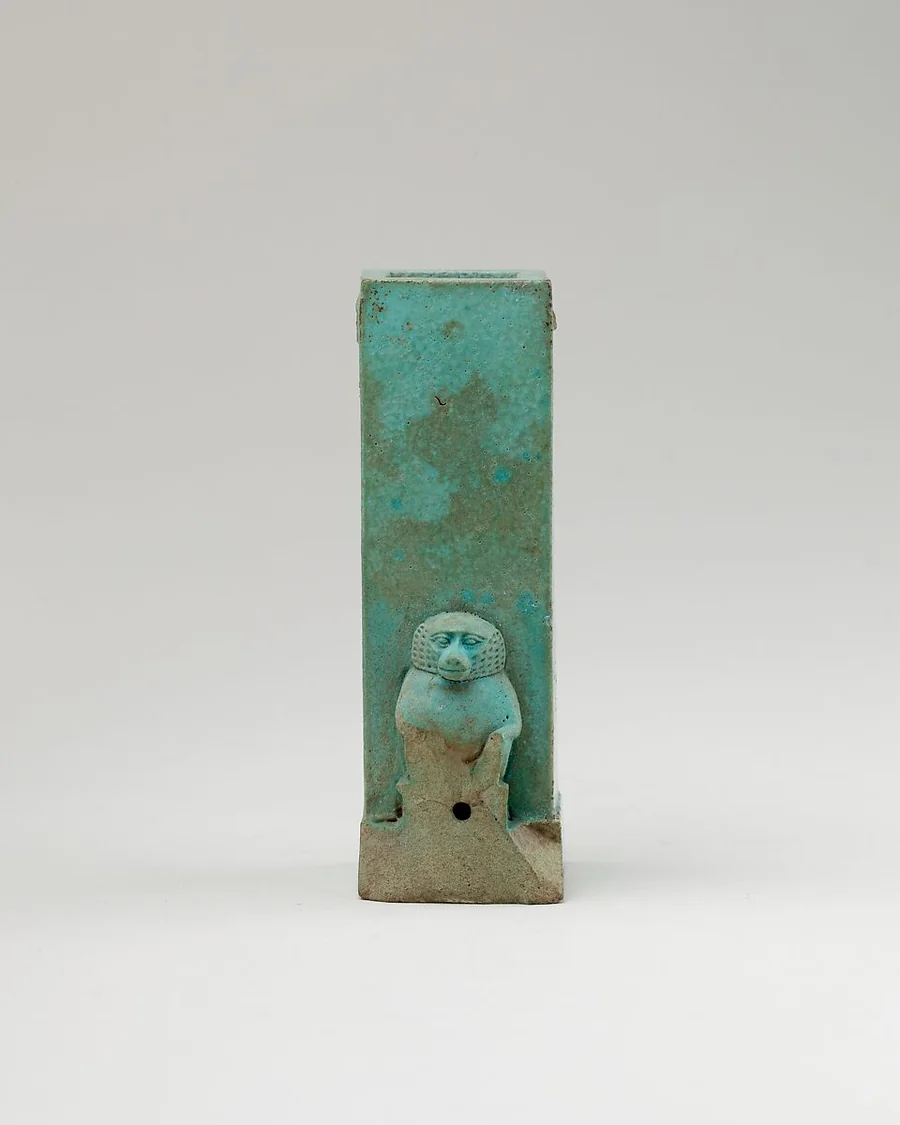
The Met considers this faience object a model of a water clock and likely a temple offering. Its small size should not erase either qualifier.
 Ancient Tech Files
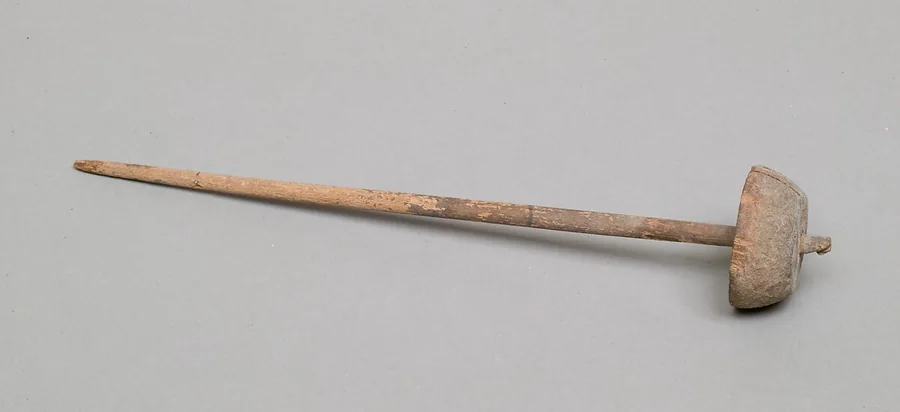
The Met identifies a wooden spindle with a whorl from Lisht North. Its rotating weight offers a useful comparison with a flywheel without requiring a lost engine.
 Ancient Tech Files
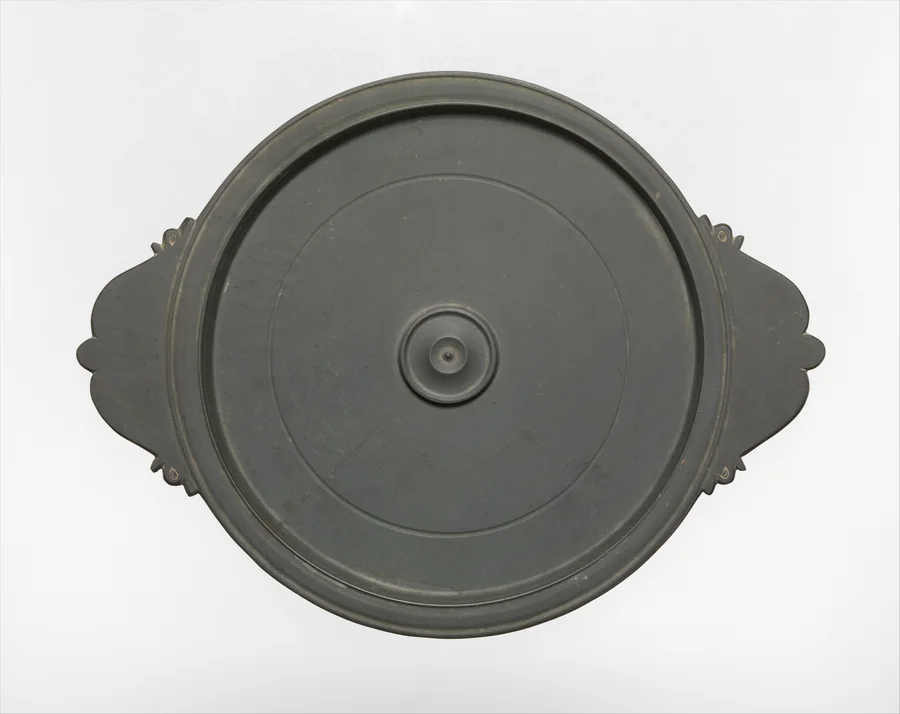
The Met identifies a Roman stone plate carved on a lathe. Its concentric decoration documents skilled manufacture, while a machine component theory needs evidence of use.
 Ancient Tech Files
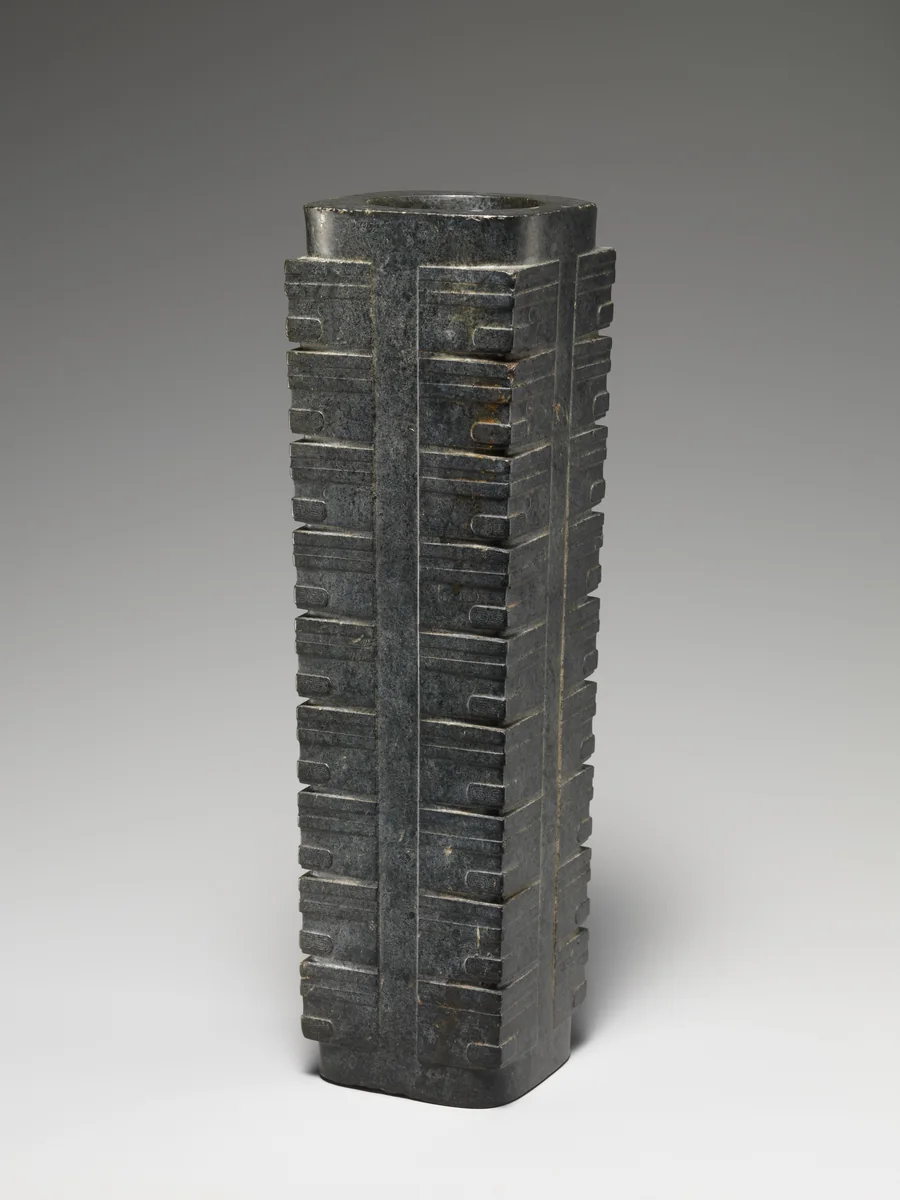
The Met dates this nephrite cong to about 2400 BCE. Its carefully worked shape is real; the museum treats its original meaning and function as uncertain.
 Ancient Tech Files
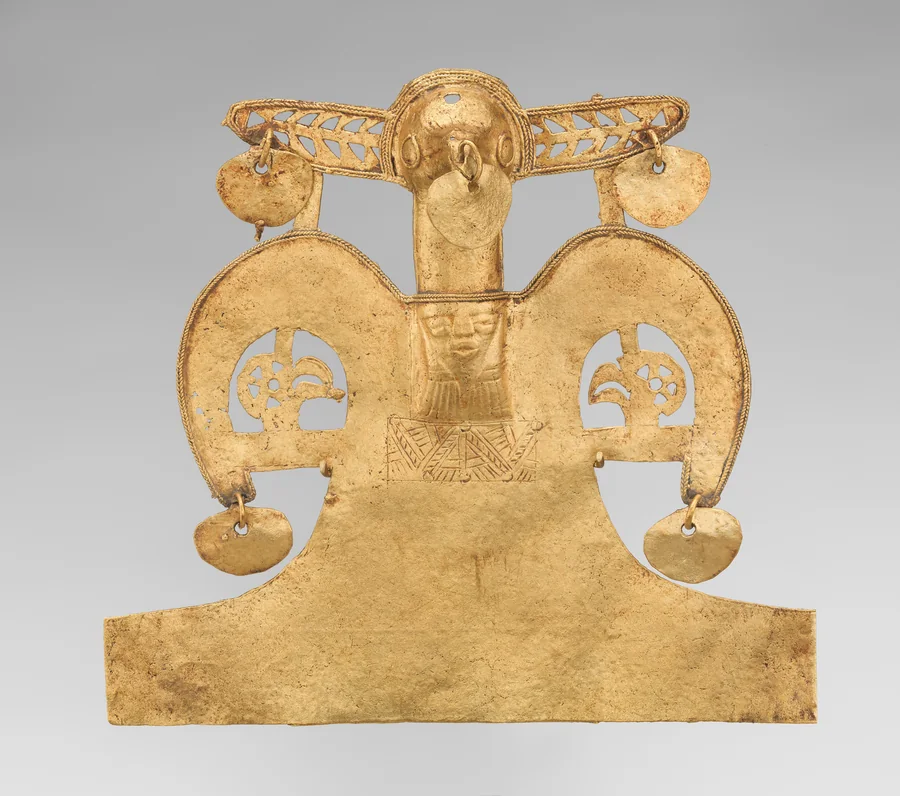
This gold pendant belongs to Muisca metalworking in Colombia. Its bird form and elaborate decoration are documented; an aircraft interpretation remains an unsupported theory.
 Ancient Tech Files
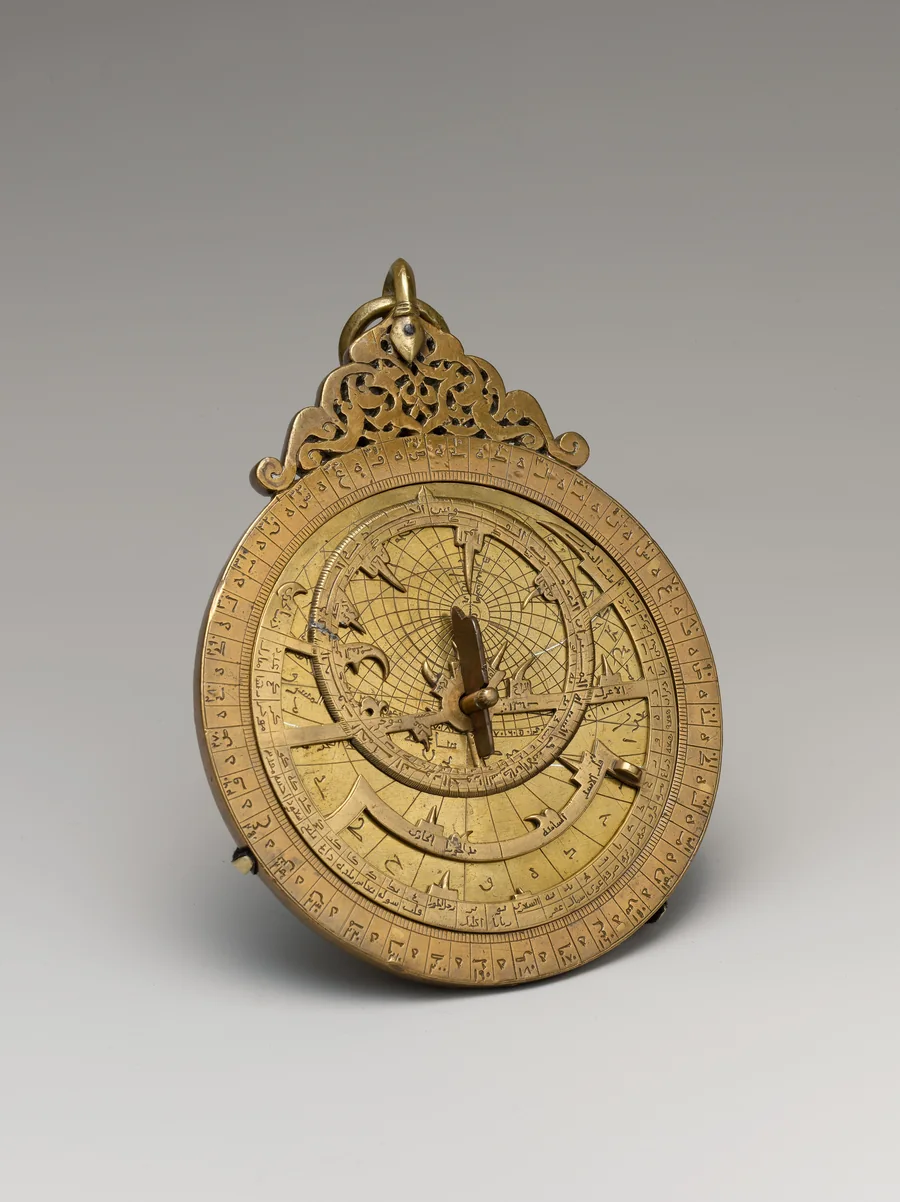
This brass astrolabe is dated 690 AH, or 1291 CE. Its inscription and astronomical design support a real scientific instrument rather than a speculative machine analogy.
 Ancient Tech Files
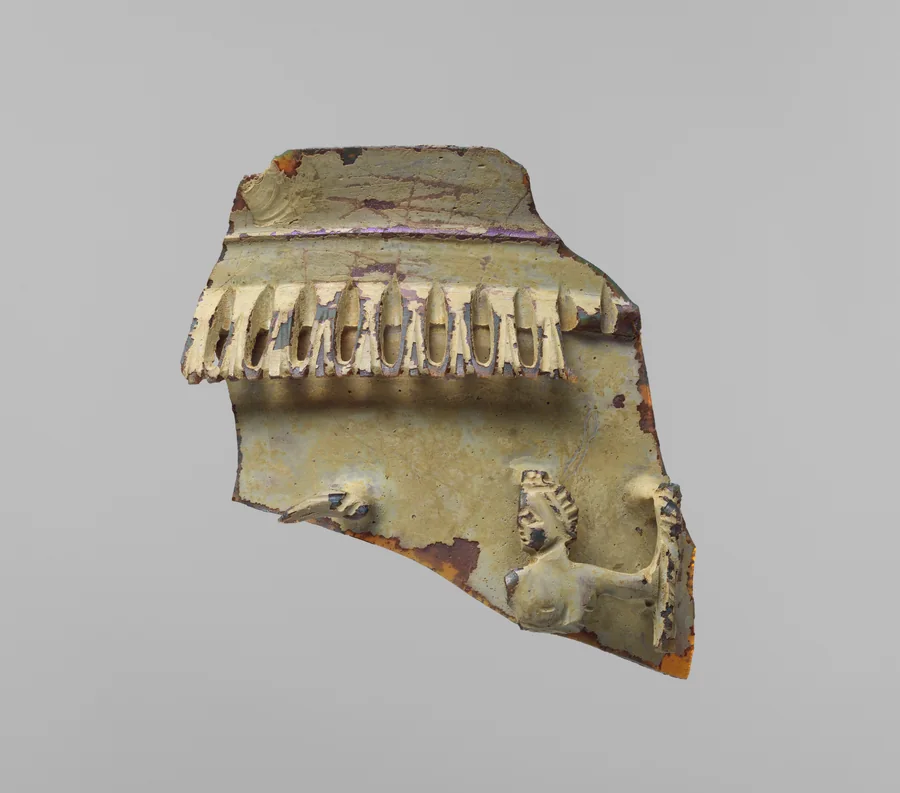
The Met identifies a Roman glass fragment that changes appearance with illumination. Its color effect is documented, while the original vessel survives only in part.
 Ancient Tech Files
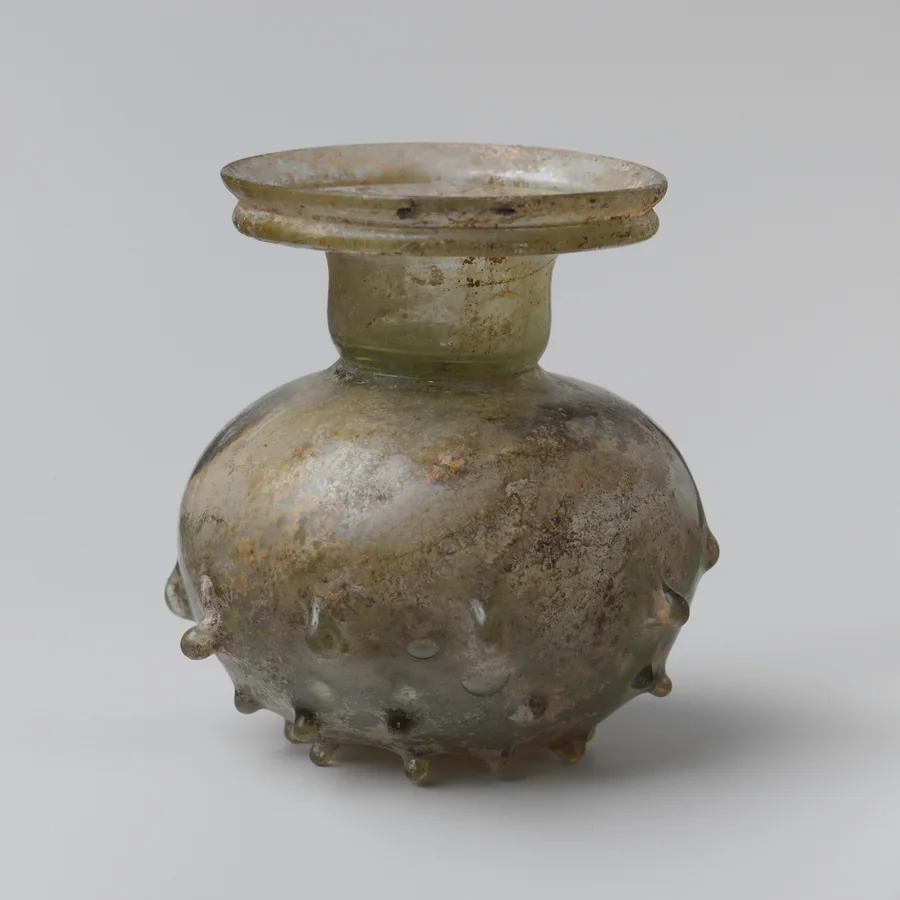
A small hole inside the neck restricts flow from this Roman glass flask. Comparing three museum records shows the mechanism across distinct vessel shapes.
 Ancient Tech Files
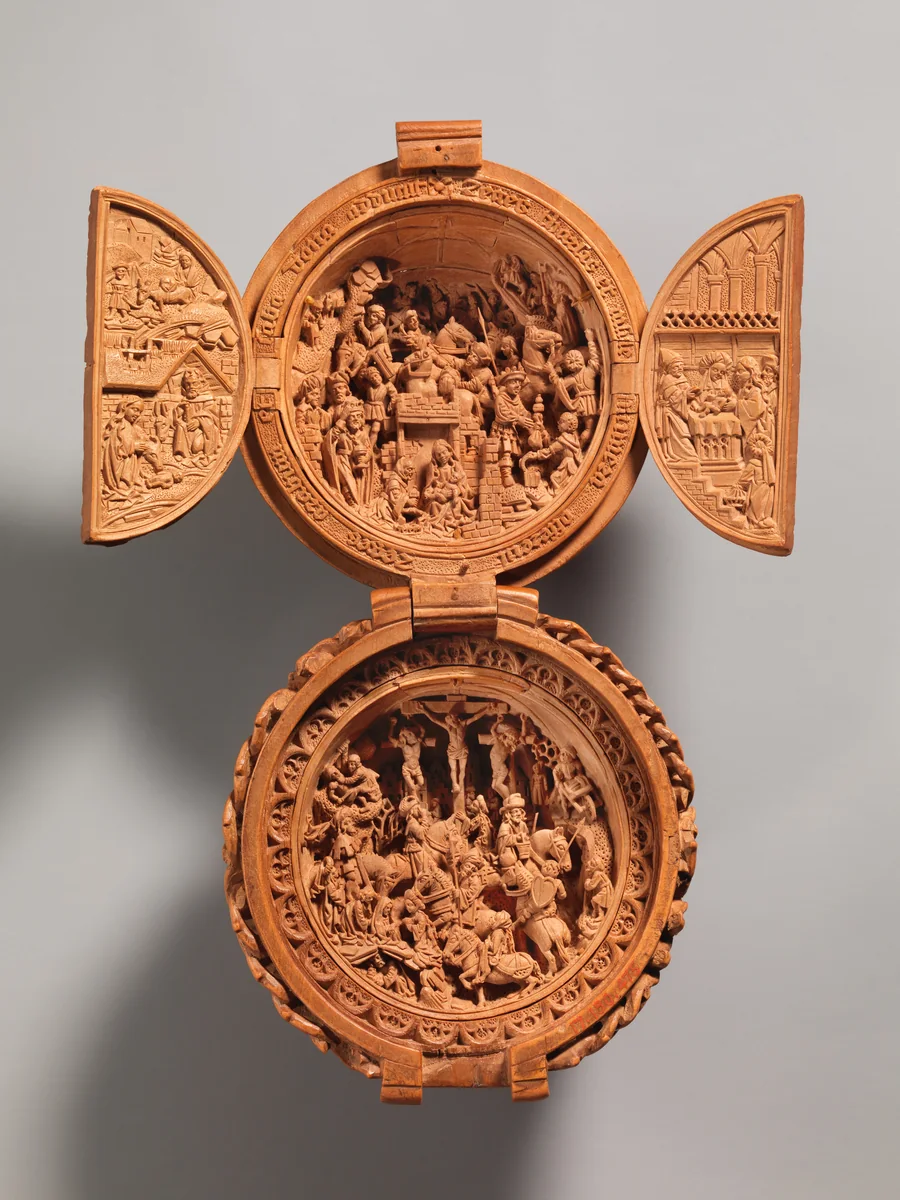
This Netherlandish prayer bead dates to the early sixteenth century. Museum imaging of related miniatures reveals layered construction rather than an inaccessible scene carved inside one solid block.