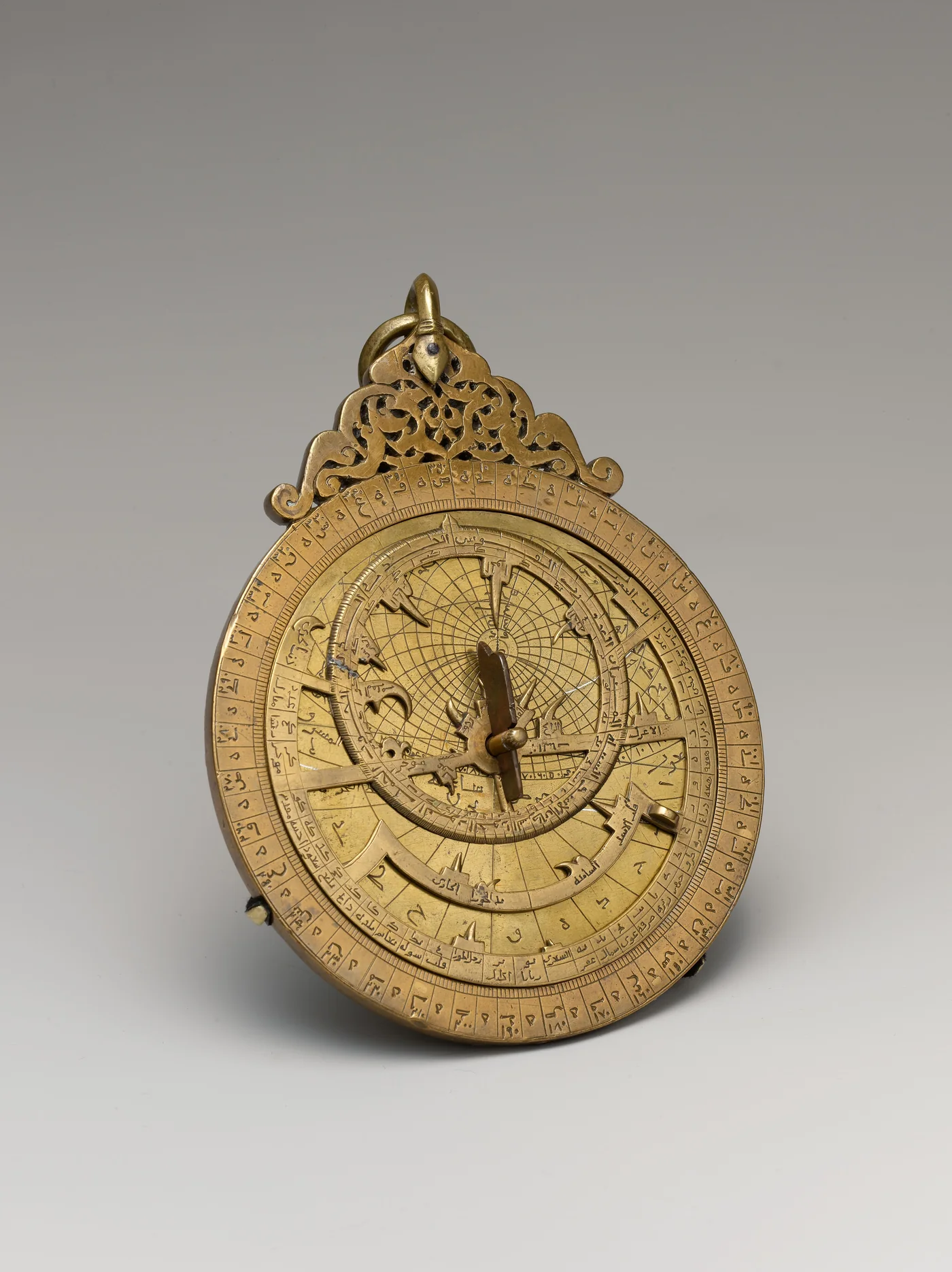
The dated instrument belongs to medieval astronomical practice. Its documented operation supports human scientific expertise without implying modern electronics or extraterrestrial assistance.
This Yemen astrolabe is a real astronomical instrument dated to 1291 CE. It is medieval, rather than ancient, despite its place in our wider technology series. Here the mechanical interpretation is supported by the object's scales, inscription and established instrument tradition.
What does its record say?
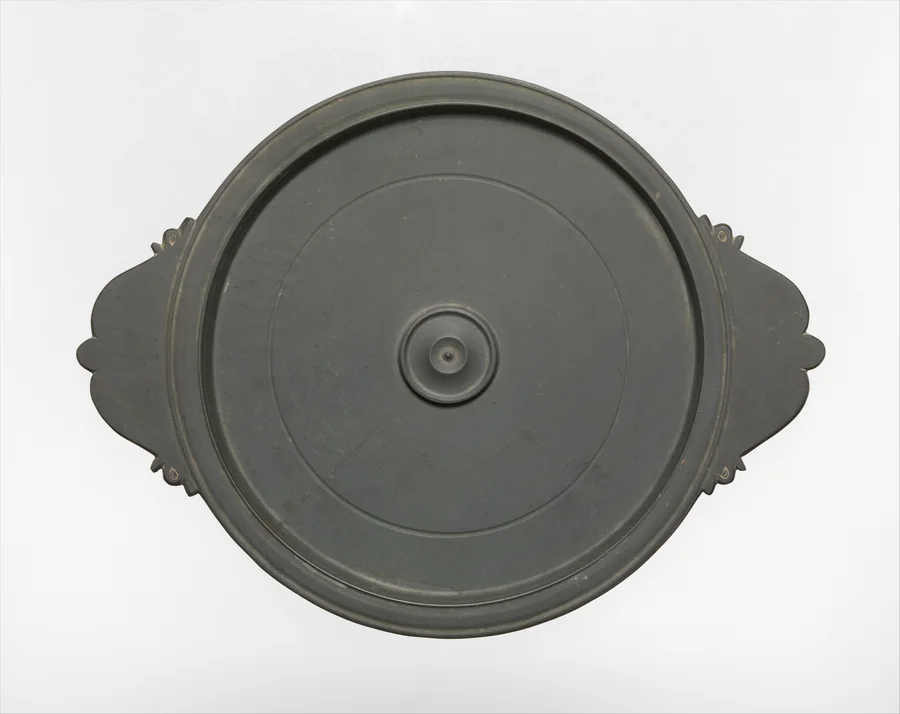
The Met catalog attributes the brass astrolabe to Yemen and dates it to 690 AH. The case is 15.6 cm in diameter, with a maximum width of 19.4 cm. The collection received it through Edward C. Moore's bequest in 1891, a separate event from its manufacture.
The inscription identifies Umar ibn Yusuf, a Rasulid prince. The museum connects the instrument with his scientific writings and discusses a surviving manuscript in Cairo. We reviewed that catalog account, not the manuscript itself. The manuscript's specific contents therefore remain an attributed source claim here.
What could an astrolabe do?
Marika Sardar's museum essay on medieval astronomy describes using an astrolabe to determine time from the altitude of the sun or another visible celestial object. It places the instrument within a scientific tradition that developed knowledge inherited from Greek, Persian and Indian sources.
The useful point is that observation and calculation work together. The observer measures something in the sky, then uses the instrument's mathematical arrangement to relate that observation to another quantity. An engraved star map does not by itself make a measurement; a user and an observing procedure are part of the system.
Why is this stronger than a visual analogy?
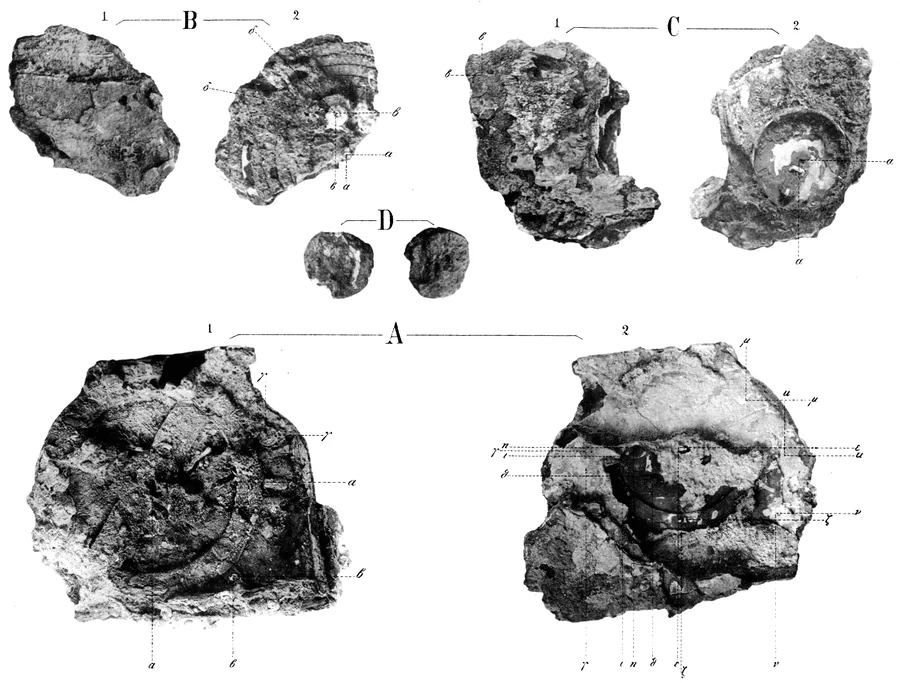
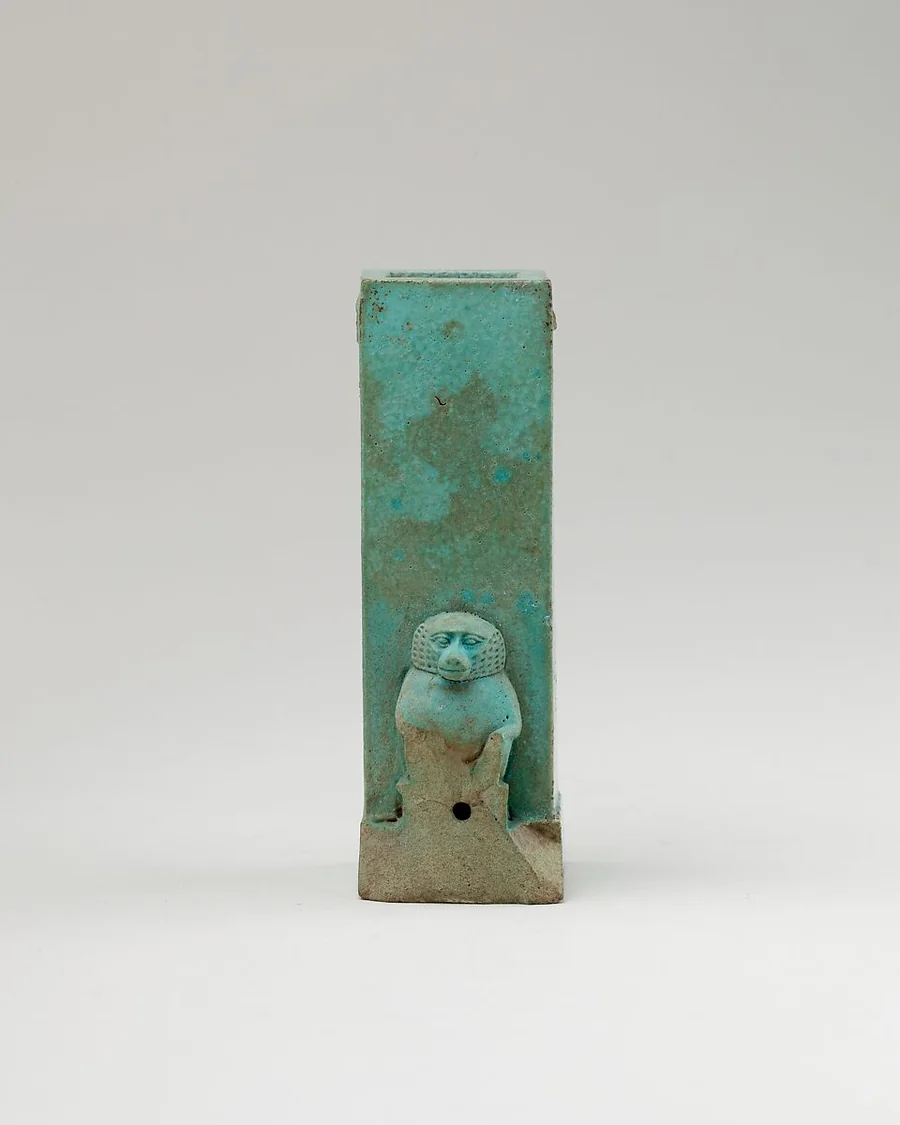
A proposed machine identification should explain several features together. Here the graduated surfaces, movable elements and relevant written tradition reinforce one another. Compare the Antikythera mechanism, where surviving gears support a calculating function, or the Egyptian water clock model, where the distinction between an instrument and a ceremonial model matters.
Theory: the astrolabe required an otherwise unknown external technology. That claim would need evidence beyond the instrument's complexity. A sophisticated result does not erase the recorded mathematical and craft traditions that can help explain it.
What should not be claimed?
The catalog does not provide a modern accuracy test of this particular instrument. We therefore give no precision figure and make no comparison with a contemporary navigation receiver. Historical links between astronomy and astrology also do not establish the accuracy of astrological predictions. The physical instrument supports a story of observation, calculation and skilled manufacture; it does not establish every belief held by people who used similar tools.
Follow the sources
- The Metropolitan Museum of Art: astrolabe of Umar ibn Yusuf Undated catalog and public object record checked November 15, 2026. Date 690 AH or 1291 CE, Yemen attribution, dimensions and inscription discussion verified. Cited Cairo manuscript was not independently inspected. Photograph marked Public Domain.
- Marika Sardar: Astronomy and Astrology in the Medieval Islamic World The Metropolitan Museum of Art, August 1, 2011. Original museum essay reviewed for astrolabe operation and historical scientific context.
- The Metropolitan Museum of Art: image resources Open Access policy and individual Public Domain object labels checked November 15, 2026. Saved API records for all seven objects additionally report isPublicDomain as true.
Each source note identifies the context and evidence it supports. Linked material establishes only the claims described in its source note. Official attribution and publication do not eliminate uncertainty. Read our editorial standard.
This is original, AI assisted research and analysis compiled from the linked sources. It has not received independent expert review. We distinguish source findings from our interpretation and record substantive corrections. Corrections policy