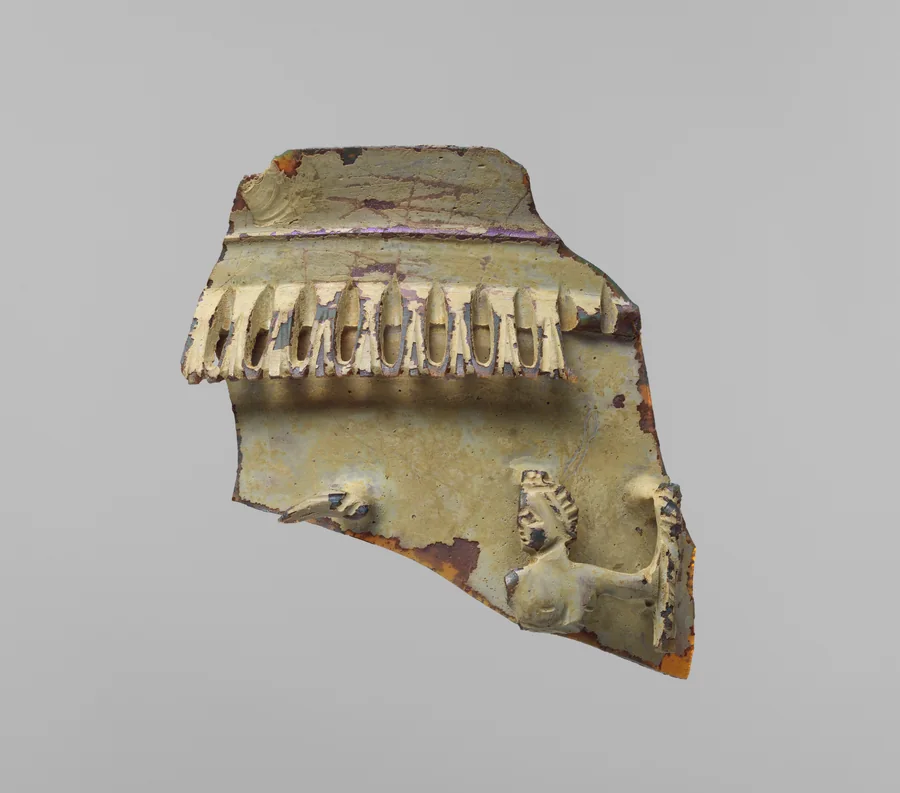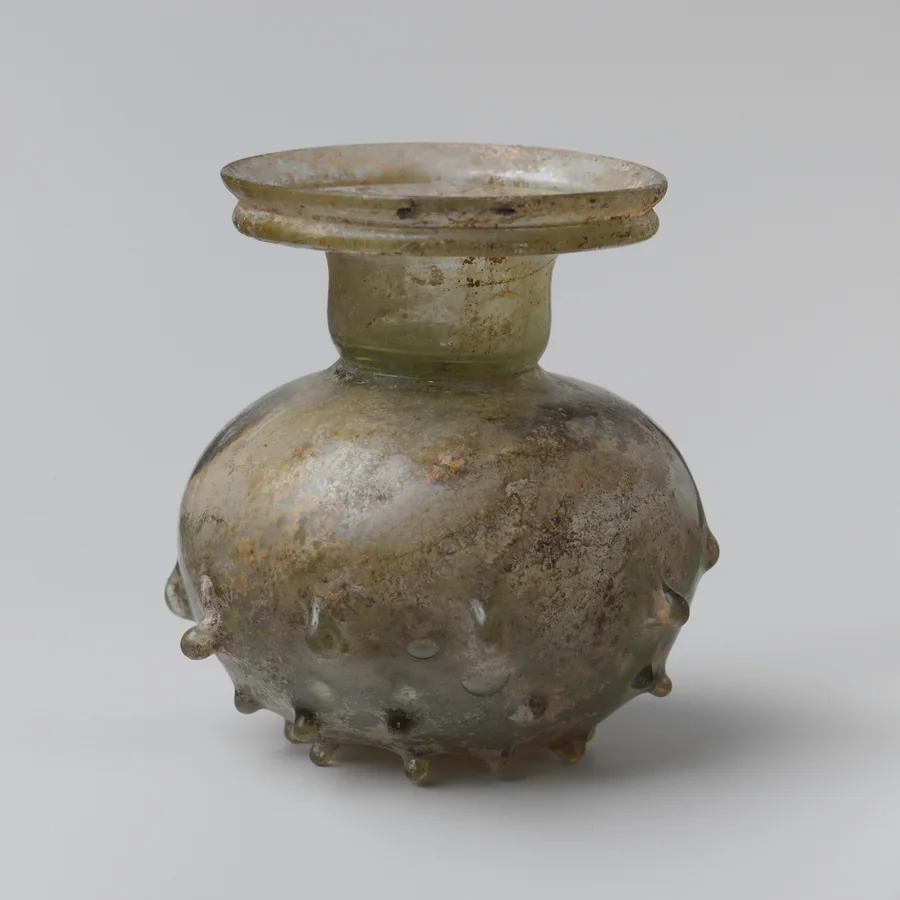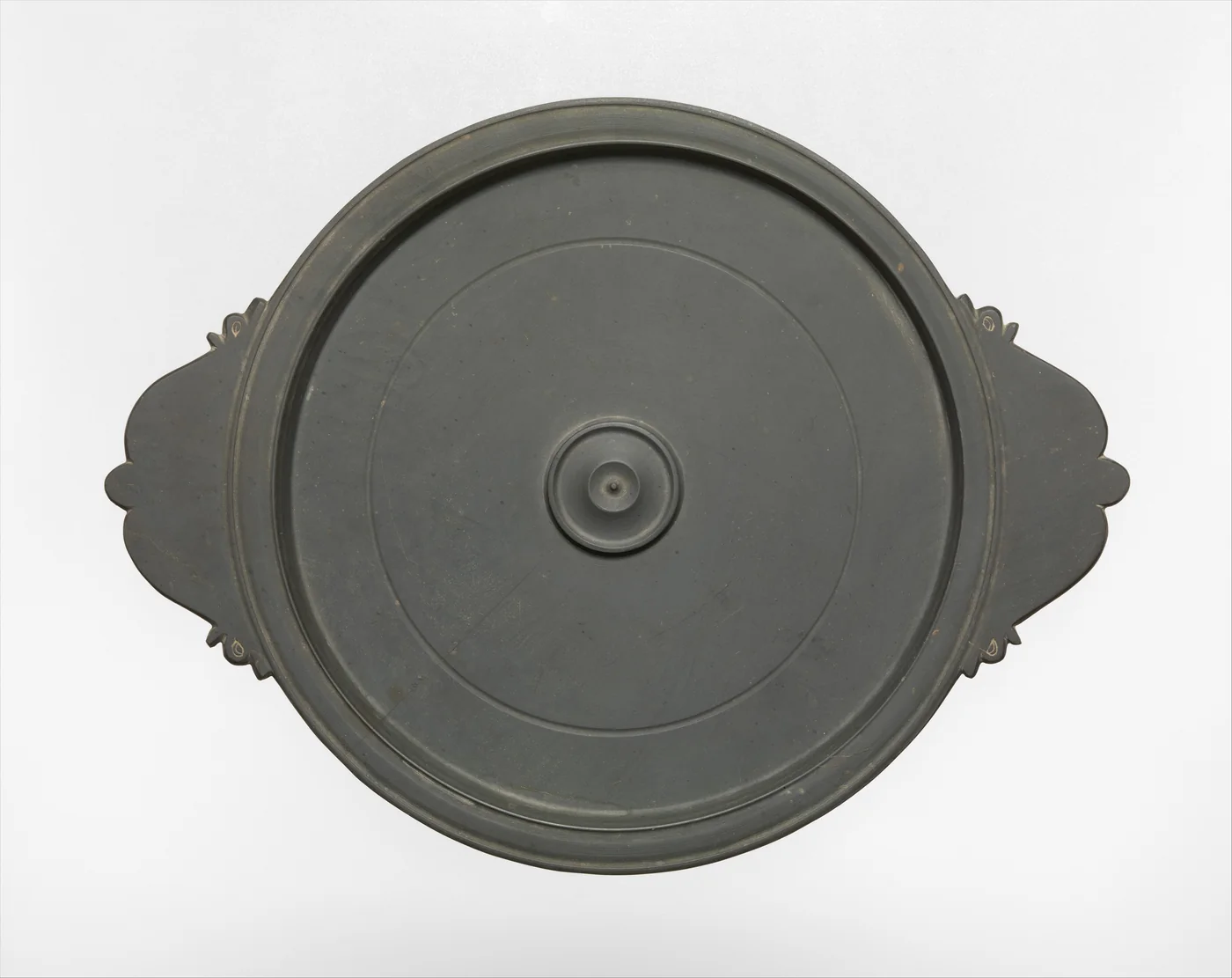
The documented object is a lathe carved Roman plate. Concentric workmanship does not establish that the finished vessel served as a rotating machine part.
This Roman greywacke plate is a documented example of skilled stoneworking, not an unidentified object without a history. The Metropolitan Museum of Art identifies its manufacture on a lathe. That finding explains why circular features matter without treating every circle as a clue to a lost engine.
Which plate is shown?
The museum catalog dates accession 2014.248 to the first or second century CE. It lists a diameter of 24.1 cm, an overall width of 31.9 cm and a height of 1.9 cm. The 2014 gift date records its entry into the collection, not an excavation date or the year it was made.
The shallow vessel has opposing decorative handles and a raised central feature. The catalog describes a polished interior and working traces beneath. It places costly stone vessels within Roman collecting and display. These observations support a vessel interpretation while leaving its individual owner's activities undocumented.
Does lathe carving make it a machine part?
No. A manufacturing process and an object's later job are different questions. Rotation during carving can produce a circular surface on an object that remains stationary in use. Calling the plate lathe carved therefore does not imply that a shaft drove it after manufacture.
The important distinction is between a feature made by a tool and a feature designed to perform work. A circular groove can be decoration or a manufacturing trace. To identify it as a running surface, an investigator would need additional observations that connect its shape to motion, contact or loading.
How would a mechanical theory be tested?
Theory: the plate once served as a rotating mechanical component. That proposal should identify a plausible attachment, explain how the projecting handles fit the operation and predict distinctive wear. Those predictions could then be compared with the original object. A resemblance to a modern part provides a starting question, not a completed test.
Our photograph is useful for locating the rings and handles, but it is not a precision survey. Apparent symmetry in a picture cannot establish a manufacturing tolerance. Claims about exceptional accuracy would require measurements, their uncertainty and a comparison with other stone vessels.
What can a reader conclude?
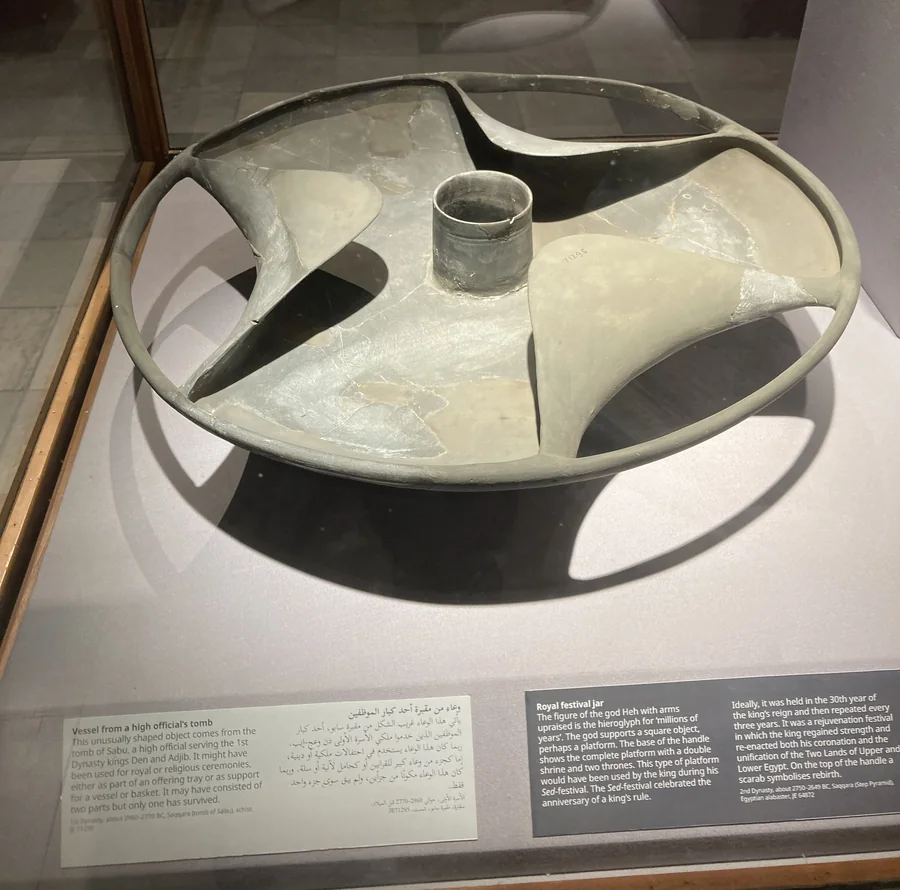
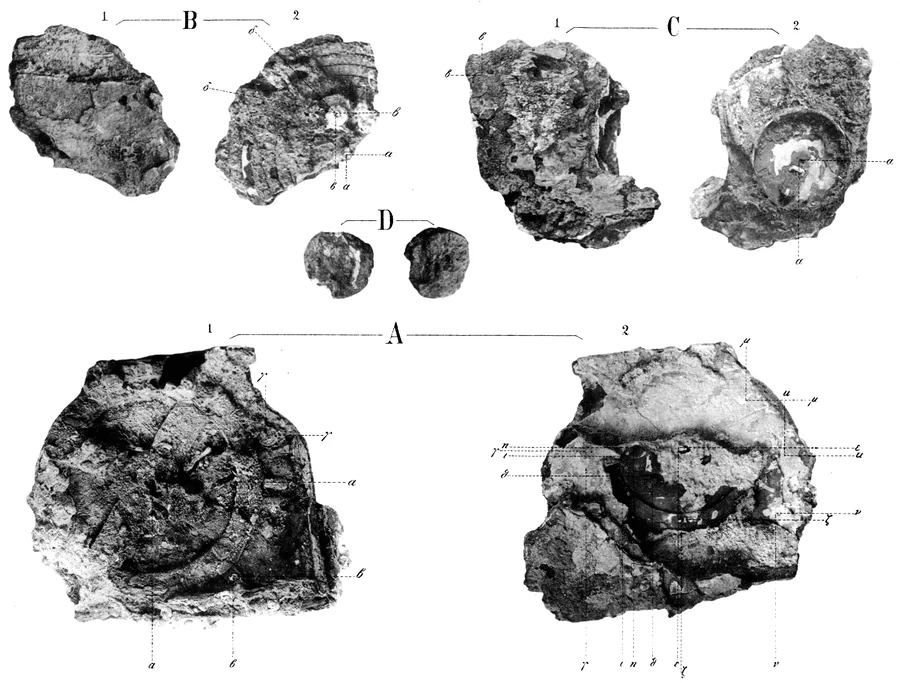
The secure result is accomplished Roman craftsmanship. The record does not establish an extraterrestrial origin or a lost industrial machine. For comparison, the Antikythera mechanism has surviving mechanical components supporting its identification, while the Sabu disk raises different questions about a vessel's original purpose. Each object needs its own evidence rather than a shared explanation based on appearance.
Follow the sources
- The Metropolitan Museum of Art: greywacke plate 2014.248 Undated collection catalog and public object record checked November 15, 2026. Roman date, dimensions, material, carving method and acquisition credit verified. Photograph marked Public Domain.
- The Metropolitan Museum of Art: image resources Open Access policy and individual Public Domain object labels checked November 15, 2026. Saved API records for all seven objects additionally report isPublicDomain as true.
Each source note identifies the context and evidence it supports. Linked material establishes only the claims described in its source note. Official attribution and publication do not eliminate uncertainty. Read our editorial standard.
This is original, AI assisted research and analysis compiled from the linked sources. It has not received independent expert review. We distinguish source findings from our interpretation and record substantive corrections. Corrections policy