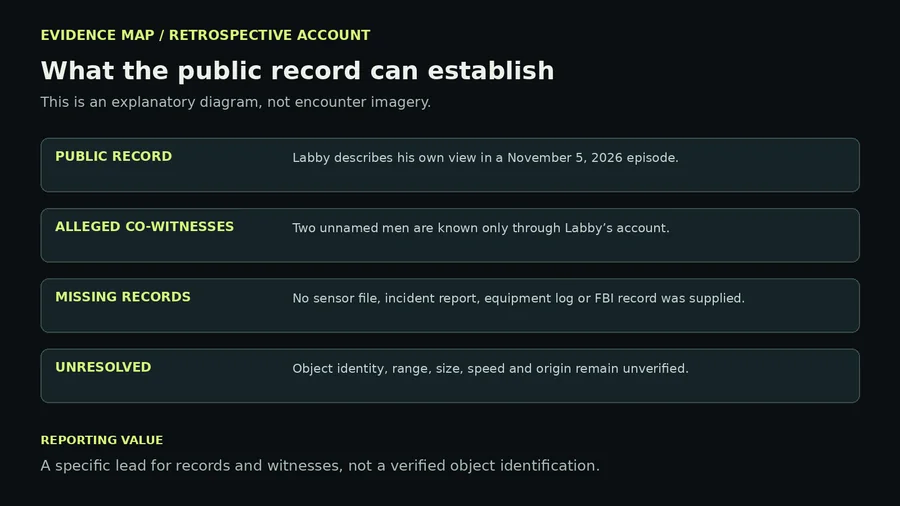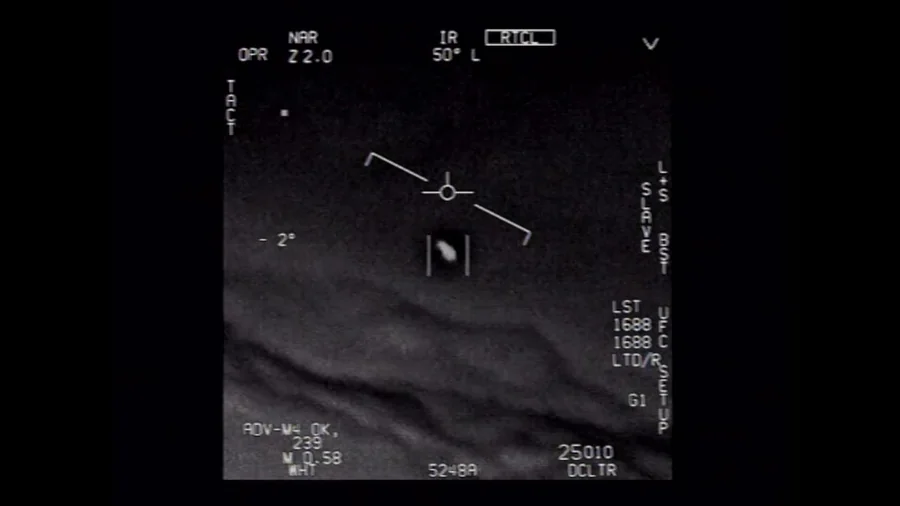
A report, a poll and an advisory council answer different questions. None alone identifies an observed object or establishes an extraterrestrial origin.
Testimony, public opinion and released files are different kinds of evidence. An assessment of UAP claims needs to keep those categories separate.
Luke Burbank’s CBS report prompted the comparisons below. This analysis revisits existing evidence; it is not a new sighting or a fresh government finding.
What does the 17% figure measure?
CBS/YouGov’s survey: June 2 to 4, 2026; 2,023 U.S. adults; 17% reported seeing a UFO.
A respondent’s classification describes their experience. It does not supply an independently examined image, location, instrument reading or identification. A sighting can be sincerely reported while its cause remains unknown. The poll is useful for understanding public experience; it cannot calculate how many observations involved an extraordinary technology.
Which testimony is firsthand?
The July 2023 House transcript preserves important boundaries. Graves distinguished his own observations from the near miss described by another pilot: he said he was not aboard either aircraft involved. Grusch attributed the nonhuman-biologics assessment to people he said had direct program knowledge. That description concerns his July 2023 testimony, not every statement he has made since.
Sworn testimony creates an attributable public record. Its evidential reach still depends on what the witness personally observed, what was relayed by others and what supporting material can be examined. Our Grusch profile separates those layers across later statements.
What does a scientific council establish?
SUNY Albany’s faculty profile identifies Szydagis as an associate professor of physics. That institutional role does not establish a finding about a particular object.
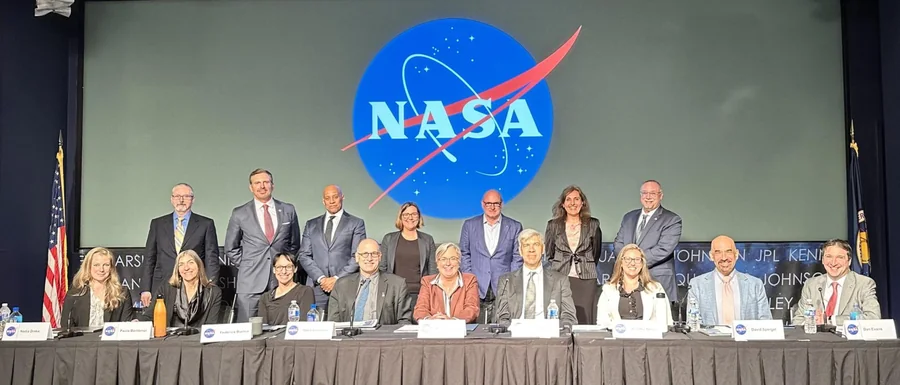
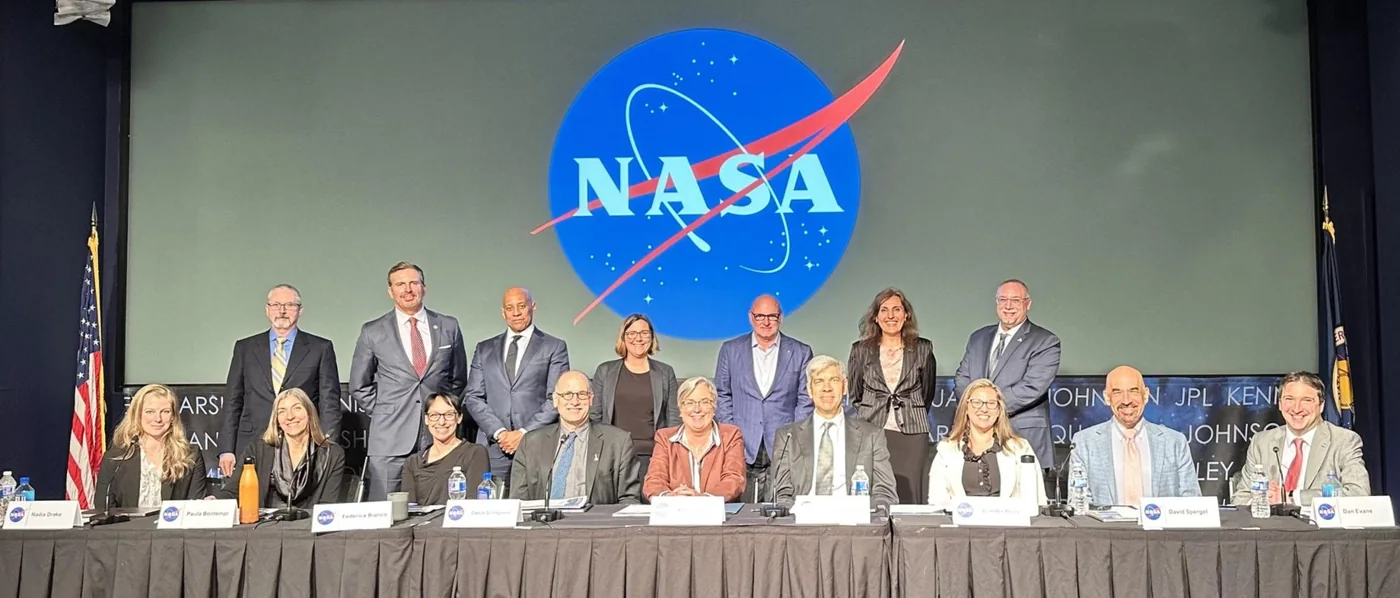
The UAP Science Advisory Council’s website describes an advisory role: reviewing Board-provided data and recommending collection and analysis standards. Loeb’s statement there says the council will review unclassified information. This establishes its stated remit; it does not establish the origin of any object. Our earlier sensor-proposal analysis explains why a plan and a measured result need separate evidence.
NASA’s FAQ says available UAP observations do not establish extraterrestrial origin and identifies inadequate high-quality data as a constraint. A large archive may help researchers locate leads, but page count does not reveal how many independent observations, duplicate accounts or measured results it contains.
What would change the assessment?
For an individual case, useful additions would connect the claim to inspectable records: original sensor files, documented instrument settings, synchronized independent observations and an analysis that tests alternative explanations. Public interest and expert participation can motivate that work. They do not substitute for its results.
Review scope: CBS’s publisher text and program listing, its poll page, the official hearing transcript, the council’s own website and NASA’s FAQ. Sources rechecked November 5. We did not review the full CBS recording.
Follow the sources
- CBS Sunday Morning: November 1 program Original program listing, dated November 1, 2026.
- CBS News: Luke Burbank November 1, 2026; publisher text reviewed November 5. Full recording not reviewed.
- CBS/YouGov poll Historical survey; not new November data.
- UAP Science Advisory Council: stated remit Council’s own account of its advisory role and unclassified-data scope; reviewed November 5, 2026. Not a separate government finding.
- University at Albany: Matthew Szydagis Institutional faculty profile; background is distinct from evidence supporting a particular UAP interpretation.
- House hearing transcript: July 26, 2023 Official transcript. Grusch’s biologics attribution and Graves’s explanation of the near-miss account are discussed below.
- NASA: UAP frequently asked questions NASA’s evidence position and the scope of its methods study; reviewed November 5, 2026.
Each source note identifies the context and evidence it supports. Linked material establishes only the claims described in its source note. Official attribution and publication do not eliminate uncertainty. Read our editorial standard.
This is original, AI-assisted research and analysis compiled from the linked sources. It has not received independent expert review. We distinguish source findings from our interpretation and record substantive corrections. Corrections policy