The independent study proposed ways to improve UAP evidence. It was not a fresh determination of the origin of every historical sighting.
An unfamiliar object in the sky is a starting point for a question. Turning it into a useful scientific record takes more than a compelling image. NASA’s independent study team focused on that gap when it published its UAP report in September 2023.
A photograph needs context
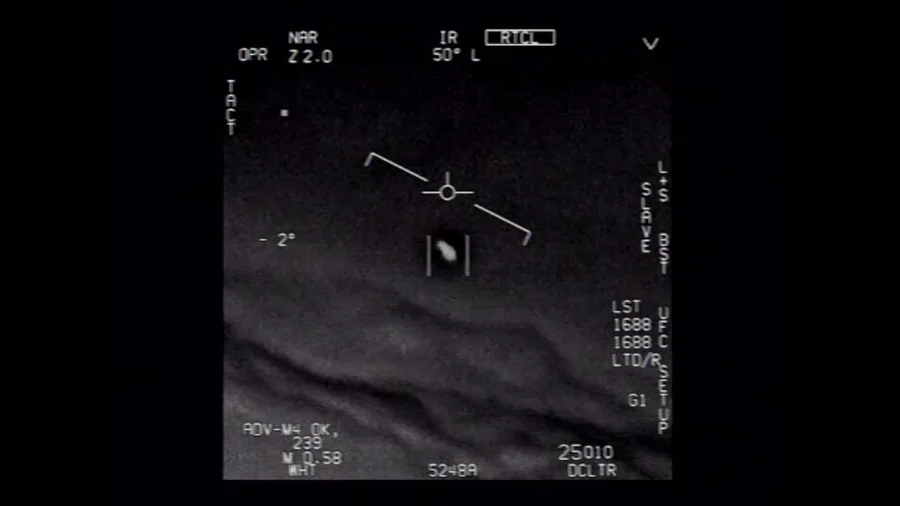
The report emphasizes calibrated instruments, several observations of the same event, consistent reporting and information about how a measurement was made. Without a reliable distance, for example, the apparent size of a light cannot uniquely determine its physical size. Without the observer’s motion, apparent speed can mislead.
Multiple sensors can provide independent constraints. But simply counting sensors is not enough: investigators also need to understand their limitations and whether they are actually measuring the same event. Keeping original files and metadata helps make those questions answerable.
The environment belongs in the investigation
NASA’s Earth-observing satellites could help establish weather and other environmental context even where they cannot resolve a small target directly. That recommendation illustrates the study’s practical character. It describes information that could improve an investigation, not a promise that every suggested system already exists.
The panel also called for reducing the stigma around reporting. A person should be able to describe an observation without having to commit to an extraordinary explanation. Better reporting can improve the evidence available to evaluate ordinary and unusual possibilities alike.
Keep the conclusion within the scope
The report said the peer-reviewed literature had not established conclusive evidence for an extraterrestrial origin of UAP. NASA’s current FAQ likewise says it has not found credible evidence of extraterrestrial life or evidence that UAP are extraterrestrial.
That position leaves room for research. It distinguishes the question of life elsewhere in the universe from claims about a particular observation near Earth. A productive next step is a clearer measurement, a better record, or a test that could distinguish explanations.
Watch the original source
Follow the sources
- NASA UAP independent study NASA; September 14, 2023 report and official broadcasts
- NASA independent study final report (PDF) The panel’s findings, limitations and recommendations
- NASA UAP frequently asked questions Official scientific evidence context; checked October 12, 2026
Source check: October 12, 2026. Linked material establishes only the claims described in its source note. Official attribution and publication do not eliminate uncertainty. Read our editorial standard.
People and the wider public record
Explore the backgrounds and source boundaries behind related public discussions.
Official UAP hearing records ↗This is original, AI-assisted research and analysis compiled from the linked sources. It has not received independent expert review. We distinguish source findings from our interpretation and record substantive corrections. Corrections policy