A proposal for better observations is not a finding about an object’s origin. An operational program would require separate evidence of authorization, equipment, measurements and results.
Avi Loeb has proposed placing sensors where unusual objects are reported near strategic assets. In a NewsNation Prime interview recorded October 24 and uploaded October 25, he described his hope of working with the Pentagon and intelligence community. The segment does not announce an approved deployment.
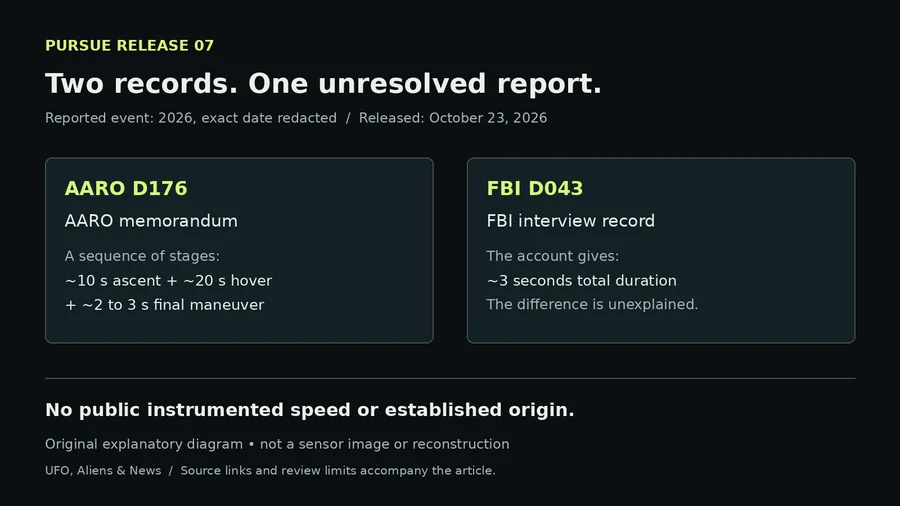
Loeb argued for new, unclassified observations rather than drawing a conclusion from the latest file release. His proposal follows PURSUE Release 07, which includes a recent triangular-object witness report.
What would better sensors need to provide?
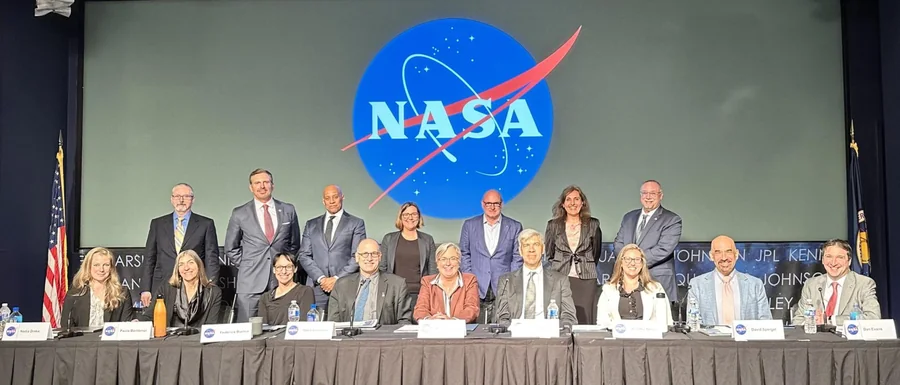
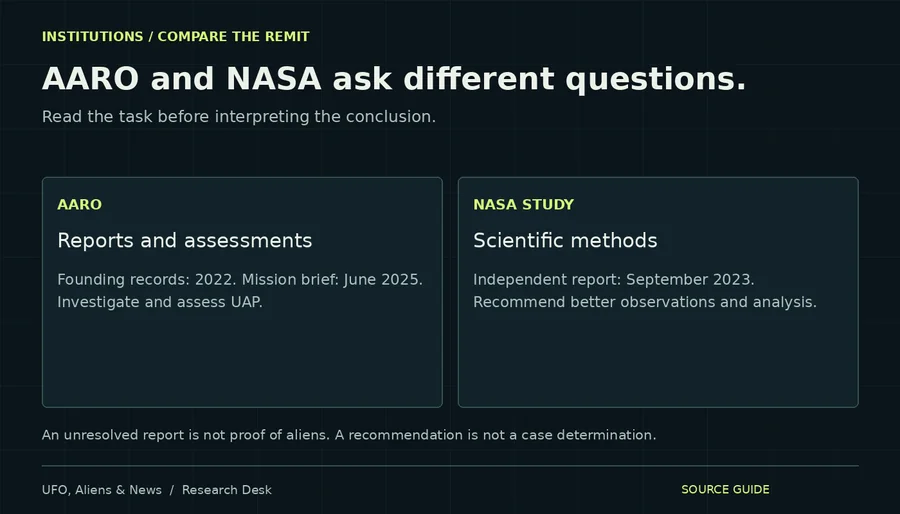
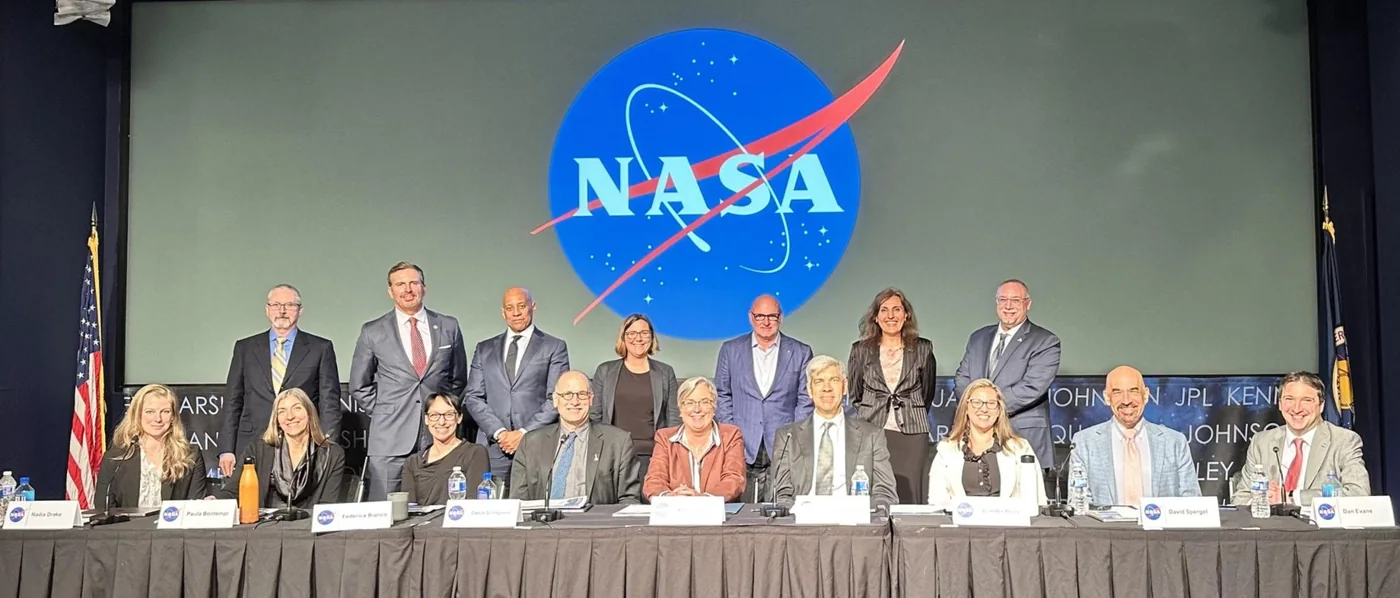
NASA’s 2023 independent study identified inadequate calibration, missing metadata, too few simultaneous measurements and weak baseline data as obstacles to UAP analysis. It recommended observations from multiple well-calibrated sensors and attention to the surrounding environment. That is earlier methodological guidance, not NASA’s approval of this particular proposal.
The practical test is whether a measurement answers a question the existing account cannot. A timestamp helps compare observations. Instrument settings help assess an image. Independent views can constrain distance, which matters when apparent movement is converted into speed. Recording ordinary aircraft, weather and other background activity helps reveal what the system routinely detects.
More equipment alone would not settle a case. Investigators would still need to document uncertainty, distinguish independent readings from copies of one signal, and explain why an apparent anomaly survives checks for conventional causes. Those are evaluation criteria for a future system, not results reported here.
What remains unestablished?
Useful next evidence would be a published deployment plan, the participating organizations, the instruments’ capabilities and a clear process for releasing usable data. A future detection would then need analysis on its own merits. Security concern, unusual appearance and extraterrestrial origin are separate propositions.
NASA’s current FAQ says it has not found credible evidence of extraterrestrial life and that available UAP evidence does not establish an extraterrestrial origin. Its methods study was designed to improve future investigation, not determine the identity of past incidents.
Review scope: we inspected the original publisher description and transcript, with caption errors, and NASA’s methods guidance. Our AARO guide explains the distinction between an investigative role and a finding.
Follow the sources
- NewsNation Prime: Avi Loeb on new sensors Verified NewsNation channel; uploaded October 25, 2026. Publisher description dates the interview to Saturday, October 24. Description and transcript 00:06 to 04:41 reviewed; captions contain transcription errors. No full audiovisual review.
- NASA: 2023 UAP Independent Study Team report Executive summary, printed page 3 (PDF page 5): sensor calibration, multiple measurements, metadata, baseline data and environmental context.
- NASA: UAP frequently asked questions Official NASA position and study scope; page dated October 8, 2026, reviewed October 29 UTC.
Each source note identifies the context and evidence it supports. Linked material establishes only the claims described in its source note. Official attribution and publication do not eliminate uncertainty. Read our editorial standard.
This is original, AI-assisted research and analysis compiled from the linked sources. It has not received independent expert review. We distinguish source findings from our interpretation and record substantive corrections. Corrections policy